
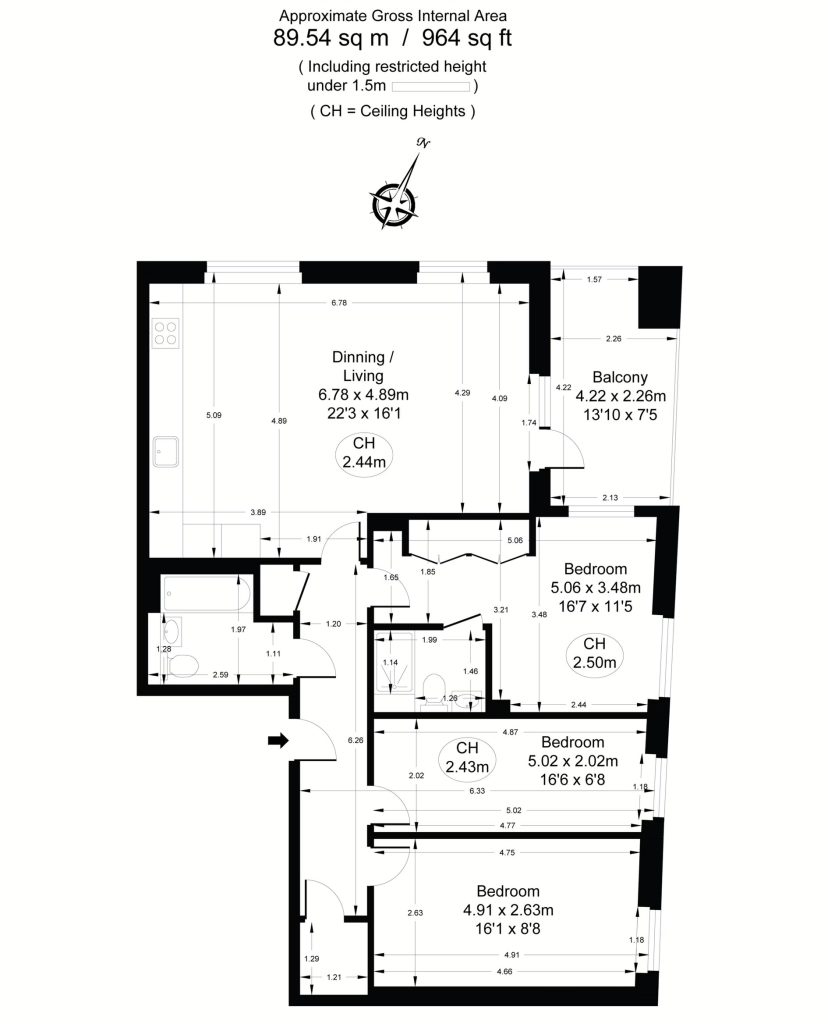
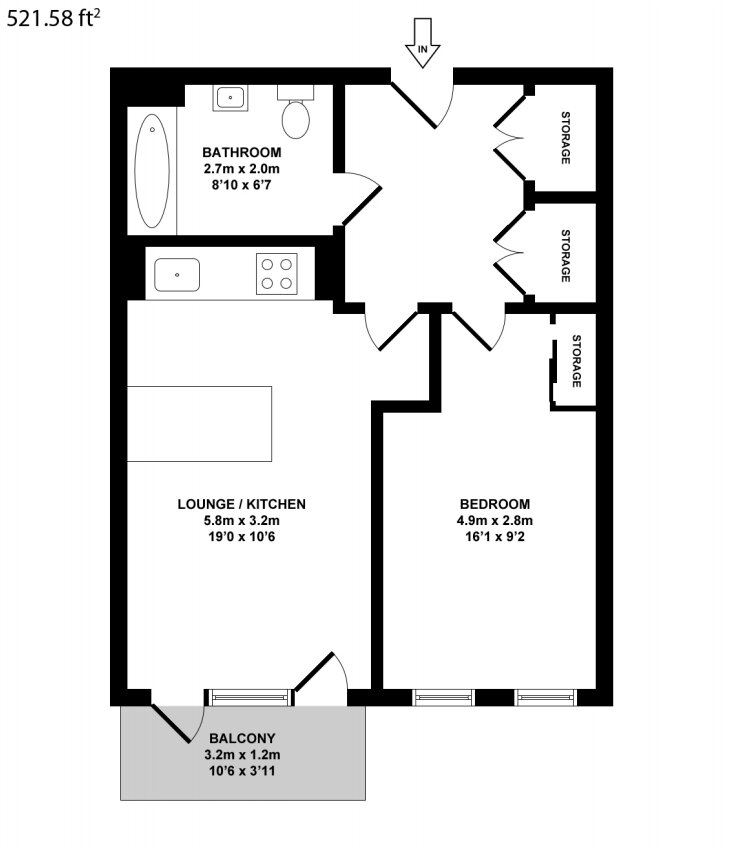
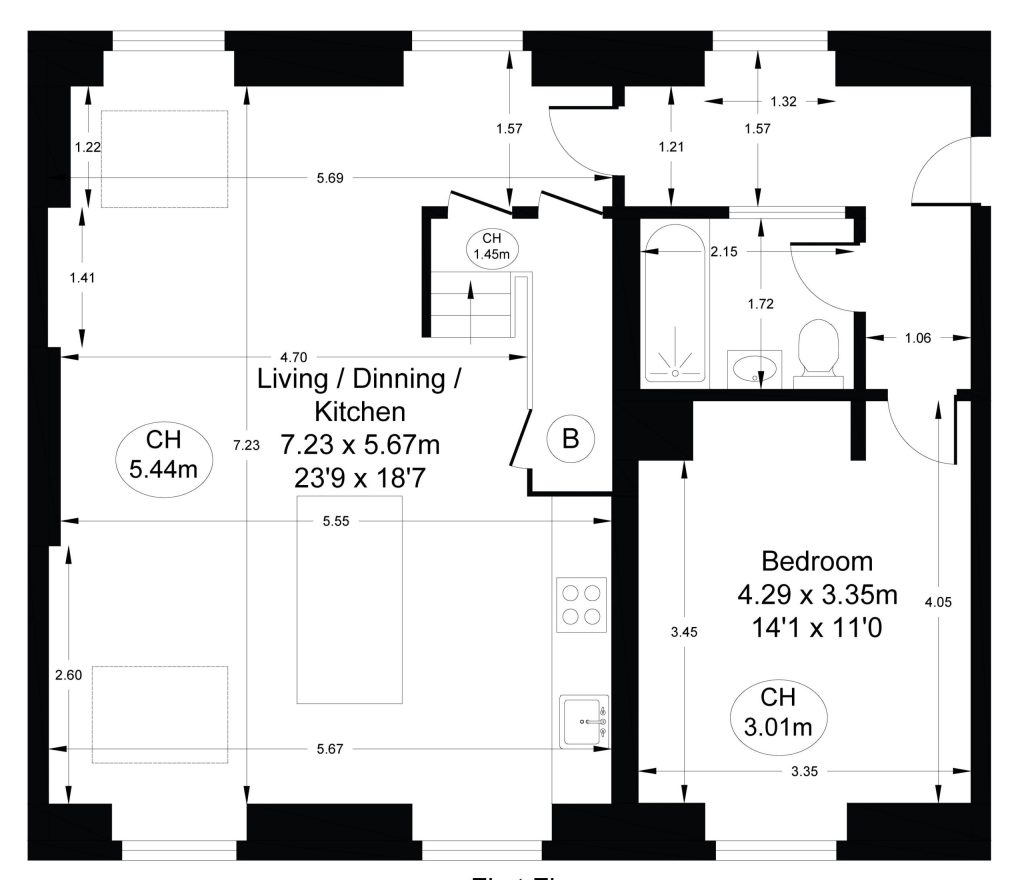
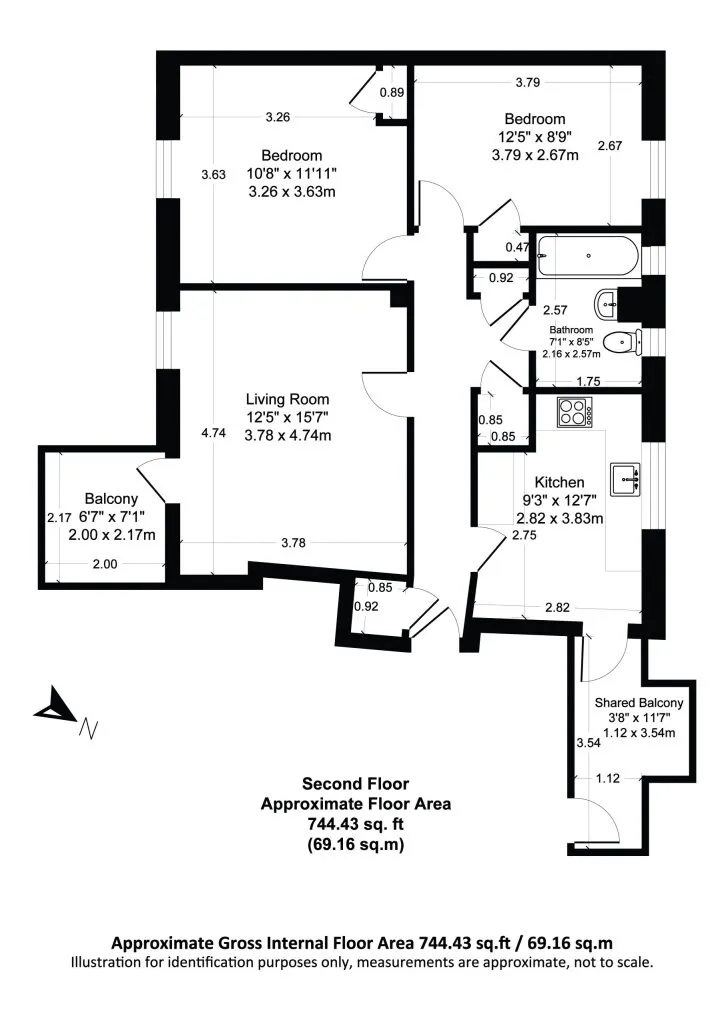
A floor plan is a detailed diagram that shows the layout of a property or room from a top-down perspective. It outlines how different spaces and features relate to one another, with measurements and labels that clarify the size and location of each area. Knowing how to find a floor plan of a property is crucial for buyers, sellers, and renovators.
Why You Need a Floor Plan for Your Property
Floor plans are useful for:
Construction Guidance: Builders rely on floor plans for accurate measurements and placement of systems and features.
Design and Planning: Architects and designers use them to visualise spaces and ensure they are functional and aesthetically appealing.
Real Estate Marketing: Floor plans help potential buyers or renters understand the property’s layout, which can make the decision-making process easier.
How to Find Floor Plans of a Property
For the best methods, use these free methods to find an existing floor plan for a house or property :
1. Check the Local Council’s Website
Many local councils provide access to building and planning applications, often including floor plans for properties. These are available for properties with planning applications from the past 20 years. Find your local council and search for the relevant property details.
2. Use Online Property Portals
Property websites like Zoopla and Rightmove often feature floor plans along with property images. When searching for a specific property, use its exact address to find the most accurate results.
2.1 What To Do When You Find Your Old Floor Plan
Once you’ve found your floor plan, it may be low quality or no longer reflect recent renovations. That’s not a problem; you can simply send us your existing floor plan, and we’ll redesign it for you without needing to visit your property. If you’ve made changes, such as knocking down or adding walls, or even building an extension, just provide us with the updated measurements. We’ll incorporate those updates and create a fresh, accurate version of your floor plan.
With this service, there’s no need for us to be in your country; we can work from your plans and details to deliver a high-resolution JPG and PDF, all at a fraction of the cost.
3. Consult Ownership Documents
Property ownership documents such as deeds or leases sometimes include floor plans. You can access these through the HM Land Registry website. Although they may not always show detailed layouts, they can provide useful floor plan information.
4. Hire a Property Photographer or Floor Plan Service
If you cannot find a floor plan, hiring a professional property photographer or using a floor plan service is an excellent option. Many services offer accurate floor plan creation with precise measurements, and the floor plans can be used for real estate listings or renovation projects.
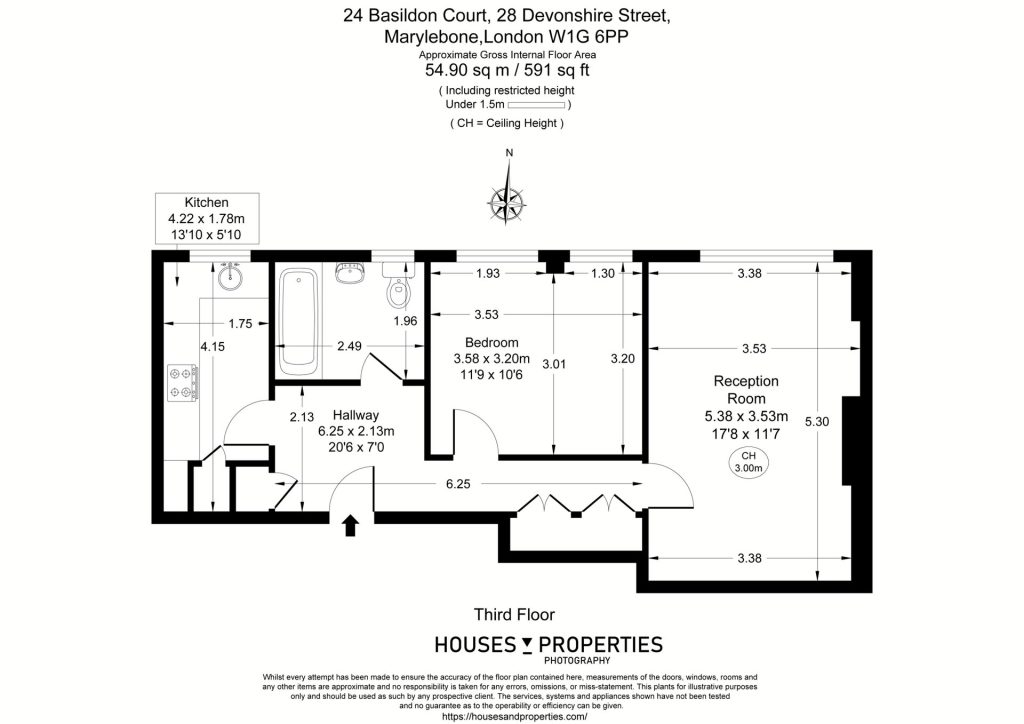
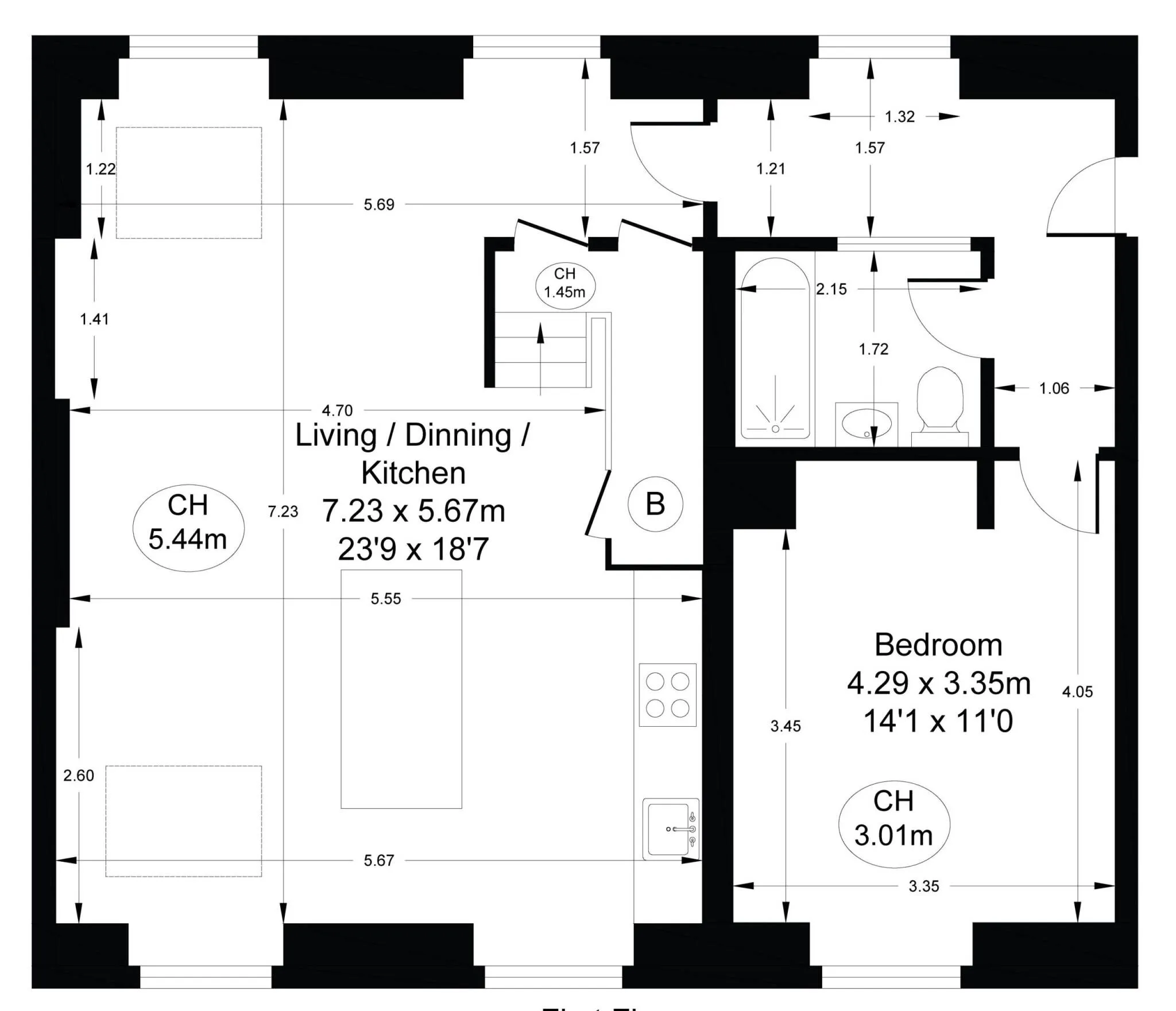
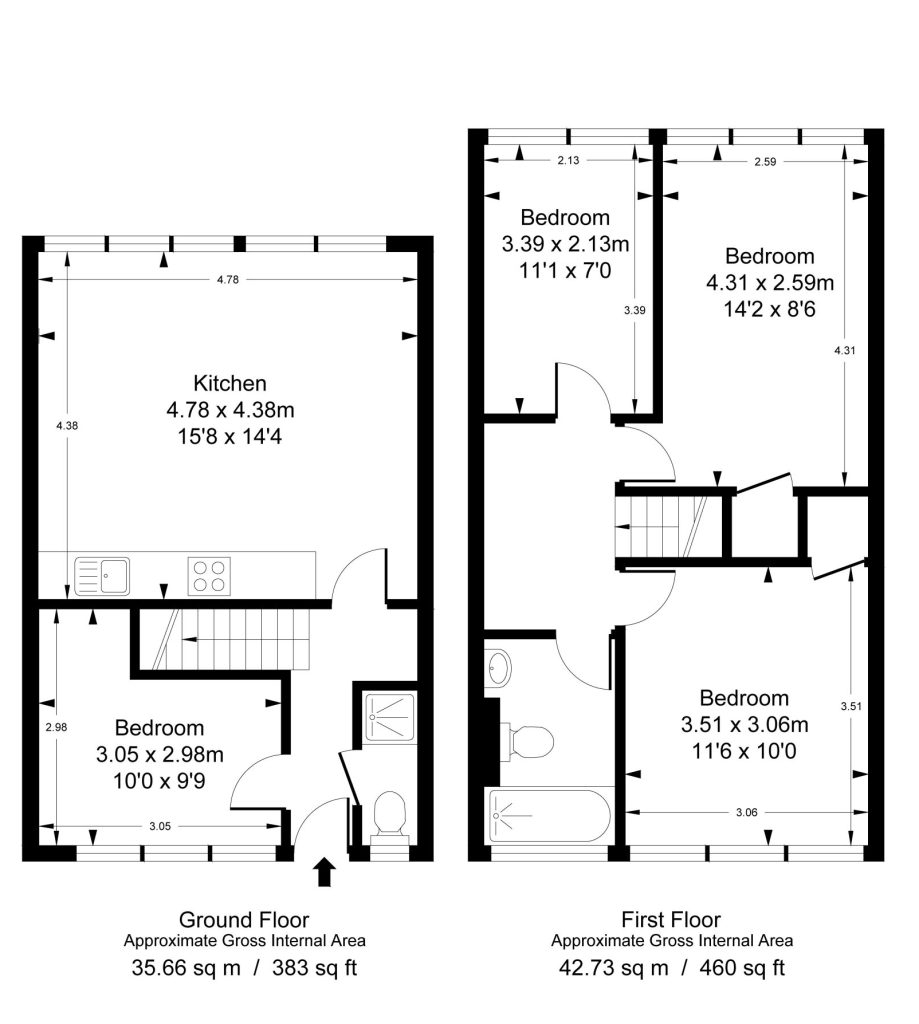
5. Free Floor Plan with a Matterport or 3D Virtual Tour
If you need a floor plan but also want to showcase or document your property in detail, commissioning a Matterport or 3D virtual tour is a smart way to accomplish both at once. Matterport’s technology uses a specialist camera to scan every room and automatically generates an accurate, to-scale floor plan as part of the process — so you get an immersive, interactive walkthrough of the property and a ready-to-use floor plan in a single visit. This makes it particularly useful for sellers, landlords, and property managers who want to market a property effectively while still having a floor plan on hand. Rather than booking two separate services, a 3D tour can cover both needs at a fraction of the combined cost.
6. Check Neighbours’ Online Listings
If your property is part of a development, similar apartments or houses may share the same floor plan and footprint. Checking past and present online listings of nearby properties on sites like Zoopla or Rightmove can help you locate a comparable floor plan.
7. Contact the Original Builder or Developer
If the property is part of a housing development or a relatively new build, the original builder or developer may still have floor plans on file. Many construction companies retain blueprints for their projects, and you can often request a copy.
8. Search Local Archives or Libraries
For older properties, historical archives, libraries, or local heritage organizations may have original blueprints or records. Some cities have archives with historic property maps that include detailed layouts.
9. Ask Your Solicitor or Conveyancer
If you have recently bought or sold a property, your solicitor or conveyancer may already hold a floor plan as part of the conveyancing pack. These documents are often retained for several years after completion, so it is worth reaching out directly to request a copy. If you are currently in the process of buying, ask your solicitor to flag whether one is included in the title documents; it can save you the effort of sourcing one separately.
10. Check the EPC Register
Every property sold or rented in the UK is legally required to have an Energy Performance Certificate, and these are stored on the government’s EPC register, which is free to search by address. While not all EPCs include a floor plan, many do—particularly those produced in the last ten years. It takes less than a minute to check and could save you a lot of time.
11. Contact the Freeholder or Managing Agent (Leasehold Properties)
If your property is a leasehold flat, the freeholder or managing agent may hold building drawings that cover your unit. Your lease document is also worth checking, as it legally defines the extent of your property and sometimes includes a plan as an appendix. This is a frequently overlooked route for flat owners in particular, where the original developer’s drawings are often still on file with the building’s management company.
Additional Tips for Finding Floor Plans
- Public Records: Some properties may have floor plans available through public records or archives, especially older buildings.
- Real Estate Agents: Many agents keep floor plans for properties they list or sell, so contacting them directly can be another route to finding a floor plan.
- Any floor plan you find through the methods above (whether from a portal listing, planning records, or an old document) may not reflect the current state of the property. Extensions, loft conversions, knocked-through walls, and other alterations carried out since the original plan was drawn will not be captured. Always cross-reference with the physical property before relying on an older plan, especially for renovation or sales purposes. If your plan is out of date, we can update and redraw it from your measurements without needing to visit.
- When requesting a floor plan from any source (an agent, a solicitor, or a professional service) it is worth specifying the format you need. A JPG or PNG is fine for listings and general reference. A PDF is better for printing or sharing formally. If you are working with an architect or contractor, ask for a DWG or DXF file (CAD format), which allows them to work directly from the drawing. Most professional floor plan services can supply all three; older sources such as councils or developers may only have paper copies or scanned PDFs.
Whether you are buying, selling, or renovating, knowing how to find a floor plan of a property can be a valuable asset. By using the methods outlined above, you can easily locate the floor plans for most properties. If you’re unable to find an existing one, professional services are available to create one for you.