
Summary
This article explains how old floor plans, HM Land Registry title plans, scanned drawings, property photos, and supporting information can be transformed into accurate, professional floor plans with room dimensions and layout details. It outlines the process of reconstructing plans remotely using existing documents, photographs, marked-up sketches, and comparable properties while highlighting the importance of recognising differences between similar layouts. The article also explains the limitations of remote redraw services, particularly regarding compliance-related features such as fire safety elements, and clarifies what can and cannot be verified without an on-site survey. It serves as a practical guide for homeowners, landlords, and property professionals needing floor plans for licensing, sales, legal documentation, or renovation purposes.
If you own a flat or house and only have an old Land Registry title plan, a faded scan, estate agent brochure, or property photographs, you may still be able to recreate a usable floor plan with dimensions and layout details.
Many property owners contact us with a situation very similar to this:
“I have an old HM Land Registry floor plan and need it recreated with room dimensions. I’ve also found a similar property in the same building that may help fill in missing details.”
This is increasingly common for:
- Property licensing applications
- HMO and rental documentation
- Property sales and marketing
- Leasehold documentation
- Renovation planning
- Mortgage or legal paperwork
- Personal property records
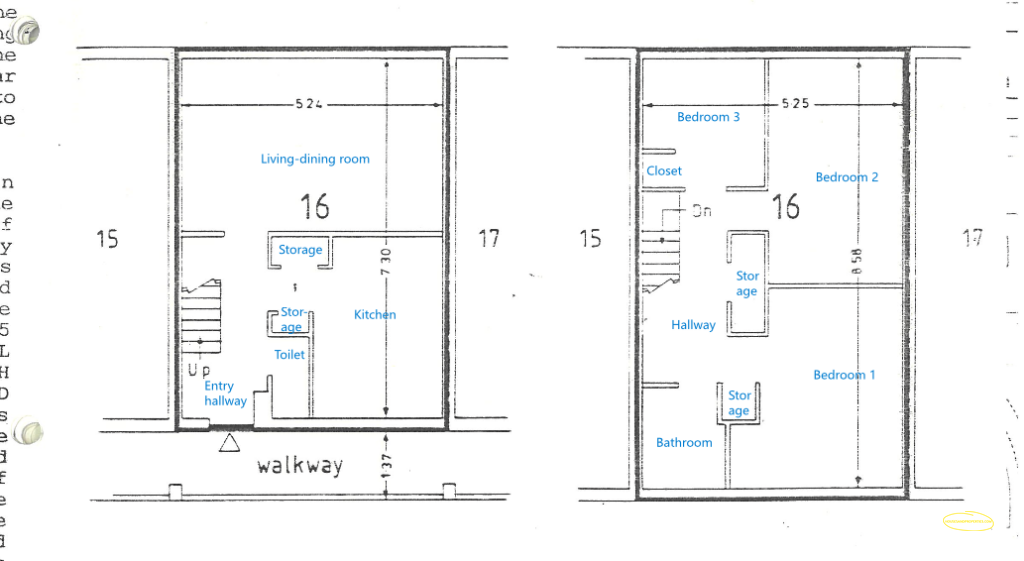
The challenge is that older plans often contain missing measurements, unclear room labels, poor scan quality, or outdated layouts.
Here’s how we approach these projects.
The Typical Problem with Old Floor Plans
Historic property drawings are rarely ready to use as they are.
Common issues include:
- Blurred or low-resolution scans
- Missing room dimensions
- Distorted scaling
- Incomplete layouts
- Missing window positions
- Missing built-in storage or cupboards
- Different internal arrangements between apparently similar flats
- Changes made after original construction
In many London properties, particularly converted flats or older blocks, neighbouring units can appear nearly identical while having important differences.
For example:
- Kitchens may be mirrored
- Bathrooms relocated
- Internal storage spaces altered
- Door openings repositioned
- Built-in wardrobes added later
Relying solely on a neighbouring property’s floor plan can introduce inaccuracies.
What Information Helps Us Recreate a Floor Plan?
The more information supplied, the stronger the reconstruction becomes.
Useful information includes:
1. Land Registry or Existing Plans
Examples:
- HM Land Registry title plans
- Historic building plans
- Estate agent brochures
- Previous surveys
- Architectural drawings
These usually provide the framework of the property layout.
2. Property Photographs
Photos often reveal details that plans miss:
- Window locations
- Door positions
- Built-in wardrobes
- Storage cupboards
- Kitchen arrangements
- Stair layouts
- Fixtures and fittings
A room photograph can sometimes solve questions that dimensions alone cannot.
3. Similar Properties in the Same Building
Clients frequently provide listings such as:
“A similar three-bedroom property in the same block appears to mirror my layout.”
These can help identify:
- Typical room proportions
- Standard window positions
- Original design intentions
- Common wall alignments
However, these are treated only as supporting references rather than exact copies.
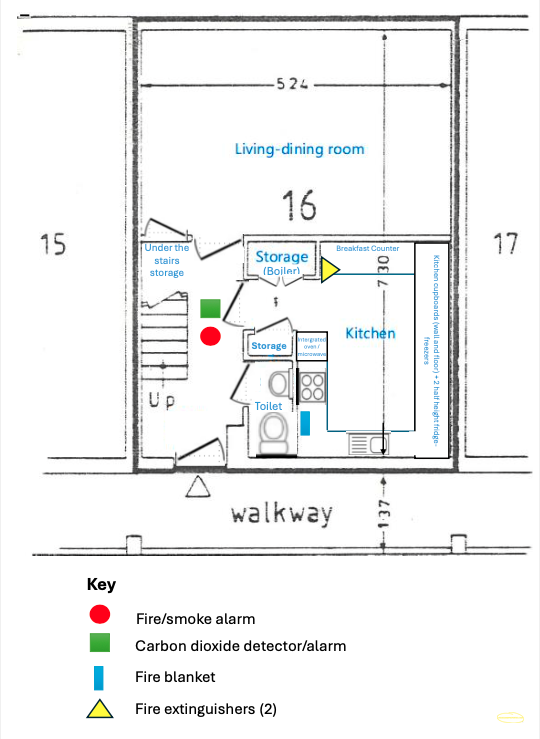
4. Written Notes and Markups
Simple annotations are often extremely useful:
Examples:
- “Boiler cupboard under stairs”
- “Integrated oven and microwave”
- “Large window behind TV”
- “Bathroom moved from original position”
- “Storage cupboard here”
These small details help remove ambiguity.
Can Floor Plans Be Created Remotely?
Yes.
Many projects are completed entirely remotely using:
- Existing plans
- Photos
- Measurements
- Marked-up sketches
- Written instructions
Remote redraw services are often quicker and more cost-effective than arranging a site survey.
However, there is an important distinction.
A remote redraw is a graphical reconstruction—not a certified measured survey.
Important Limitation: Compliance and Verification
Clients sometimes require plans for:
- Property licensing
- Fire safety submissions
- HMO applications
- Local authority requirements
Certain information cannot be confirmed remotely.
Examples include:
- Fire door specification
- Smoke detector type
- Fire extinguisher classification
- Ceiling-mounted device positions
- Building regulation compliance
Without a physical inspection, these details can only be shown according to information supplied by the client.
For this reason we typically clarify:
The plan will be produced based on the explicit measurements, photos and instructions provided. Any safety symbols or annotations can be added as instructed, but compliance and verification remain the responsibility of the property owner unless a site survey is undertaken.
This protects both parties and ensures expectations remain clear.
How Our Remote Floor Plan Drawing Works
Step 1 — Review Existing Material
We assess:
- Original plans
- Photos
- Supporting property listings
- Notes and annotations
Step 2 — Identify Missing Information
Typical missing items:
- Room widths
- Door swings
- Window placement
- Built-in storage
- Fixture locations
Step 3 — Cross-Reference Supporting Evidence
We compare:
- Similar properties
- Image evidence
- Internal consistency of dimensions
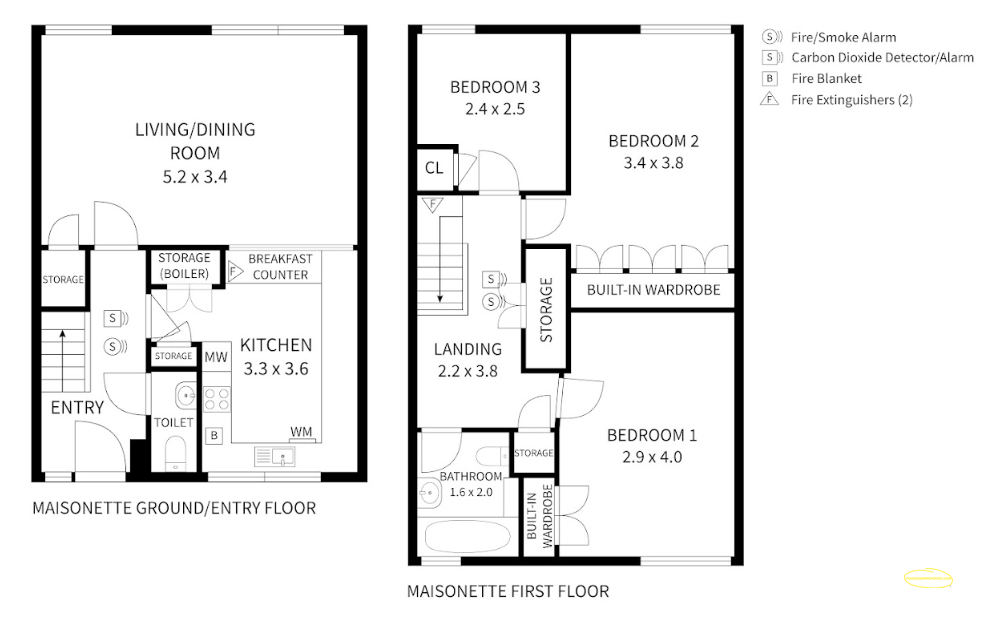
Step 4 — Redraw the Floor Plan
The recreated plan may include:
- Room names
- Dimensions
- Doors and windows
- Fixtures
- Storage areas
- Kitchens and bathrooms
- Fire safety symbols (where instructed)
Step 5 — Deliver Final Files
Depending on requirements:
- PDF floor plans
- High-resolution images
- Editable CAD files
- Print-ready layouts
Floor Plan Redrawing Frequently Asked Questions
Can you create dimensions if I only have an old scan?
Often yes, although accuracy depends on available information and supporting references.
Can you use estate agent listings from similar properties?
Yes, but they are used as supporting evidence rather than definitive measurements.
Can you certify a plan for licensing?
Not through a remote redraw alone. Certification or compliance verification usually requires a physical survey.
Can built-in cupboards and fixtures be included?
Yes. We can add:
- Wardrobes
- Boiler cupboards
- Kitchen units
- Appliances
- Storage areas
- Doors and windows
- Safety markers (as instructed)
Need an Old Floor Plan Recreated & Redrawn?
If you only have:
- A Land Registry scan
- Property photos
- Estate agent details
- Marked-up sketches
- Approximate dimensions
you may already have enough information to recreate a professional floor plan.
The quality of the final result depends on the quality of the information supplied, but many properties can be successfully reconstructed without requiring an on-site visit.
Whether you’re preparing documentation for licensing, selling a property, or simply replacing lost drawings, a structured redraw process can turn fragmented information into a usable plan.